EP 13 The Cultural Shift in Driving Behavior and Road Etiquette
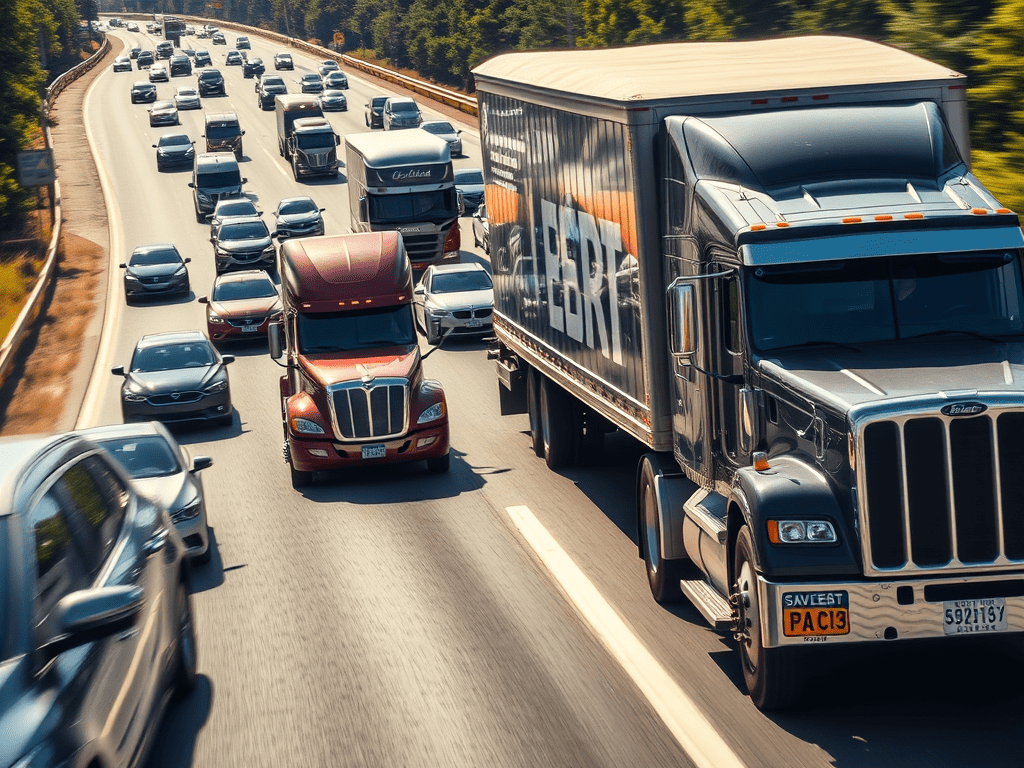
There’s something happening on our roads that reflects a deeper cultural shift in our society – a growing sense of “me first” mentality that has transformed the way we drive and interact with others in traffic. As Bobby D and Mikey D discussed in their recent podcast, this phenomenon is particularly noticeable in regions like Nova Scotia, where speed cameras are noticeably absent, leading to what many would consider dangerous driving behavior.
The absence of automated enforcement has created a driving culture where exceeding posted limits by significant margins has become normalized. The hosts shared personal experiences of witnessing trucks pulling large trailers zooming past at alarming speeds, drivers tailgating aggressively to pressure others into going faster, and the general disregard for traffic regulations. Most concerning is the observation that this behavior isn’t just limited to a few outliers – it appears to be the norm in certain areas.
What’s perhaps most interesting is the comparison to other provinces and countries where automated enforcement is prevalent. In places like Edmonton or New Zealand, where speed cameras and red light cameras are commonplace, there seems to be a greater adherence to traffic laws. The mere presence of these enforcement tools appears to modify behavior, even if some drivers still attempt to circumvent the rules. This raises important questions about whether technological enforcement is necessary to maintain civil behavior on our roadways.
Beyond the speed aspect, the hosts touched on something even more fundamental – the disappearance of basic courtesy between drivers. The simple act of acknowledging when someone lets you merge with a wave or nod has become increasingly rare. This deterioration of basic social niceties on the road seems to parallel broader social trends where individual convenience trumps collective consideration. As one host lamented, perhaps only one in ten drivers shows any acknowledgment when given right of way, a stark contrast to what might have been expected in previous generations.
The discussion also ventured into pedestrian behavior, with concerning observations about people crossing roadways dangerously or using crosswalks improperly. The hosts emphasized the importance of mutual respect between drivers and pedestrians, noting that both groups seem increasingly focused on their own immediate needs rather than safety and courtesy. The story of a pedestrian pressing the crosswalk button and immediately stepping into traffic without waiting for cars to stop highlighted the dangerous consequences of this self-centered approach.
Perhaps most thought-provoking was the connection made between road rage incidents and the unpredictable nature of confrontations. The caution that “you never know who’s in that car” serves as a sobering reminder that aggressive behavior on the road can have consequences beyond a momentary release of frustration. The anecdote about a physically imposing individual whose presence alone de-escalated potential confrontations underscores the unpredictable and potentially dangerous nature of road rage incidents.
Intertwined with this discussion of driving culture was a touching tribute to recently departed cultural icons Ozzy Osbourne and Hulk Hogan. These figures, who shaped the childhoods and cultural experiences of many listeners, represent a different era – one that perhaps valued different things. Their passing sparked nostalgia for wrestling entertainment and hard rock music scenes that, while not without their controversies, captured the imagination of generations.
In examining both our changing road behavior and our reflections on cultural icons, the podcast ultimately raises questions about what we value as a society. Have we truly become more individualistic and less considerate of others? Is the “me first” mentality on our roads simply a reflection of broader cultural shifts? And if so, what might we be losing in this transition? These questions remain open for listeners to contemplate as they navigate not just the physical roads, but the metaphorical pathways of our evolving social landscape.
WATCH MORE PODCAST EPISODES HERE: https://www.youtube.com/playlist?list=PLBmAJknu27s_KnQ7cbUD7PGCwc6Q09xwW
 YOU WOOD THINK?
Leave a comment