EP 11 The evolution of automotive aesthetics has always been fascinating, with trends that seemingly appear overnight and quickly dominate the market. Recently, a particular shade of matte gunmetal gray has emerged as the new darling of car manufacturers, spreading from luxury brands like BMW to mainstream vehicles from Kia and Chevrolet. This color—resembling what one might describe as elephant skin—represents how desperately the automotive industry searches for distinction in a saturated market. What starts as a specialty finish quickly becomes ubiquitous across manufacturers, demonstrating the rapid cycle of trend adoption in consumer products.
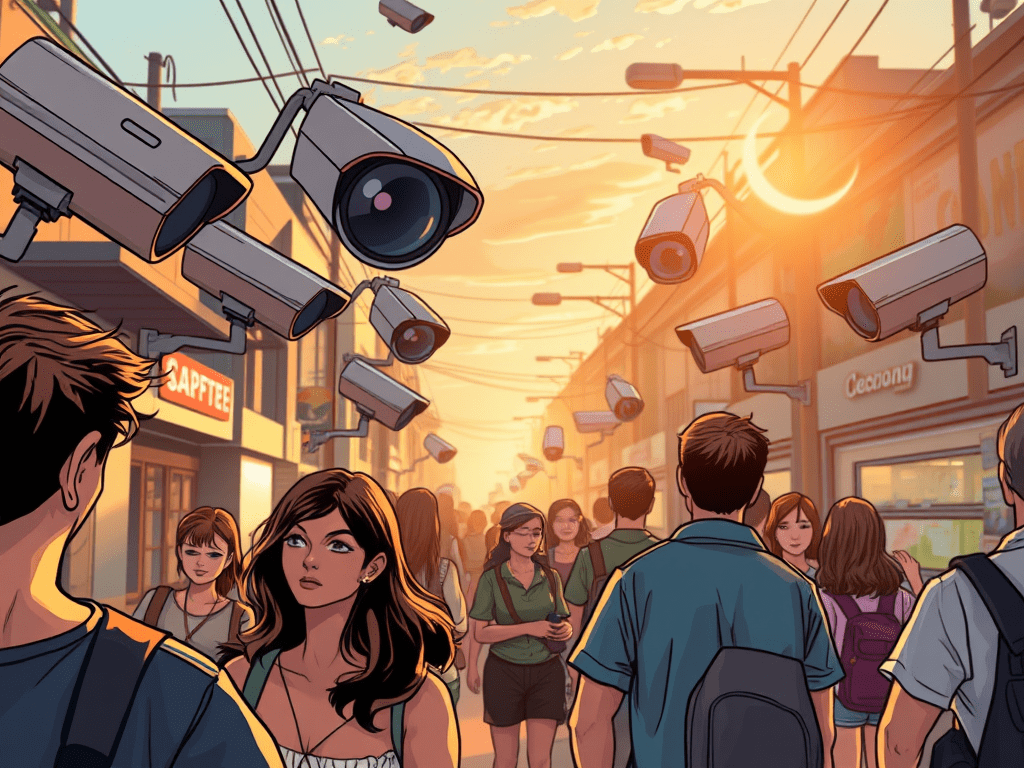
While we might chuckle at car color trends, our discussion naturally pivoted to something more consequential: the permanent digital footprint that follows us in modern life. The recent Coldplay concert scandal perfectly illustrates how quickly private moments become public spectacles. A mere three-second clip captured at a concert has resulted in destroyed careers, broken marriages, and immeasurable personal damage. The adage “the internet does not forgive, the internet does not forget” has never been more relevant. This incident serves as a sobering reminder that in an era of ubiquitous cameras and instant sharing capabilities, privacy in public spaces has become virtually nonexistent. The swift and merciless judgment of online audiences can transform a momentary indiscretion into life-altering consequences.
Our conversation inevitably turned to nostalgia—that peculiar human tendency to glorify the past. Growing up in simpler times without the constant surveillance of smartphones and social media has become something many from earlier generations express gratitude for. The freedom to make mistakes, to engage in harmless mischief without permanent documentation, represents a type of liberty today’s youth may never experience. Our reminiscing about childhood adventures, neighborhood stores, and youthful indiscretions highlights the stark contrast between growing up then versus now. There’s something poignant about how these memories become more valuable precisely because they weren’t captured digitally—they exist only in our collective remembering, making them somehow more authentic and precious.
Hollywood’s creative crisis further exemplifies our obsession with nostalgia. The entertainment industry’s reliance on reboots, remakes, and reimaginings of established properties reflects a risk-averse approach to filmmaking. Movies like Total Recall, Oceans 11, and The Italian Job represent just a few examples of how studios continuously mine the past for content. This recycling extends beyond just remaking classics—it’s evolved into a fundamental approach to entertainment production. Even more concerning is the industry’s shift toward formulaic content creation, with diversity and inclusion requirements potentially stifling creative freedom rather than enhancing it. While representation matters tremendously, the rigid application of such standards raises questions about artistic expression and authenticity in storytelling.
Perhaps the most striking aspect of our nostalgia fixation manifests in the collectibles market. The upcoming auction of Darth Vader’s lightsaber from The Empire Strikes Back, expected to fetch between one and three million dollars, exemplifies how artifacts from beloved cultural touchstones attain almost religious significance. Similarly, sports memorabilia, vintage trading cards, and other pop culture ephemera command extraordinary prices, speaking to our deep emotional investment in these shared cultural experiences. This willingness to pay astronomical sums for physical tokens of nostalgia reveals something profound about human nature—our desire to possess tangible connections to the stories and moments that shaped us.
WATCH MORE PODCAST EPISODES HERE: https://www.youtube.com/playlist?list=PLBmAJknu27s_KnQ7cbUD7PGCwc6Q09xwW
 YOU WOOD THINK?
Leave a comment