EP 09 The intersection of performance enhancement, drug testing, and star power in professional sports remains one of the most fascinating and controversial topics in athletic competition. In a recent podcast discussion, we explored the peculiar case of Ross Rebliati, the Olympic snowboarder who nearly lost his gold medal after testing positive for marijuana. This raises a compelling question: should cannabis really be considered a performance-enhancing drug? The argument made was simple yet persuasive – if someone consumes cannabis, which often induces paranoia and reduced coordination, yet still manages to hurtle down a mountain at breakneck speeds and win gold, perhaps they deserve extra credit rather than punishment.
The conversation then shifted to the broader landscape of performance enhancement in professional sports, particularly in cycling, where the Lance Armstrong saga continues to serve as the quintessential example of systematic doping. As discussed, top cyclists typically rely on three primary substances: growth hormone for recovery, testosterone for strength and power, and EPO for increasing oxygen in the blood. What made Armstrong’s case particularly noteworthy wasn’t merely that he used these substances, but that he dominated the sport for seven consecutive years while doing so, suggesting his natural abilities still placed him above his similarly-enhanced competitors.
The discussion naturally progressed to basketball, focusing on Cooper Flagg, the emerging young talent who has been generating significant buzz. After an impressive performance against Dylan Harper (the second overall pick), Flagg was notably held out of subsequent games, suggesting teams are already recognizing and responding to his potential dominance. This led to speculation about which players might become the next “face of the NBA” as LeBron James eventually exits the spotlight.
Several candidates were evaluated: Zion Williamson (hampered by injury concerns), Ja Morant (troubled by off-court issues), Shai Gilgeous-Alexander (limited by small market exposure and reserved personality), and international stars like Luka Dončić and Nikola Jokić. The conversation suggested that the NBA might prefer to promote Cooper Flagg as their next marquee star due to his American nationality, marketable personality, and impressive playing style – factors that could potentially resonate with broader American audiences in ways that international players might not.
The podcast also covered recent NBA transactions, particularly the surprising developments around Damian Lillard, who after being bought out by Milwaukee, returned to Portland on a three-year contract worth $42 million with a no-trade clause – despite planning to sit out for an entire year. Other significant moves included Bradley Beal joining the Clippers and Marcus Smart heading to the Lakers, reshaping the competitive landscape in both conferences.
When evaluating championship contenders, the conversation emphasized the importance of defensive prowess, noting that while offensive stars grab headlines, championship teams typically excel on the defensive end. The Lakers’ acquisition of Marcus Smart, a tenacious defender despite his smaller stature, could potentially provide the defensive boost needed to complement their offensive firepower from players like LeBron James and Anthony Davis.
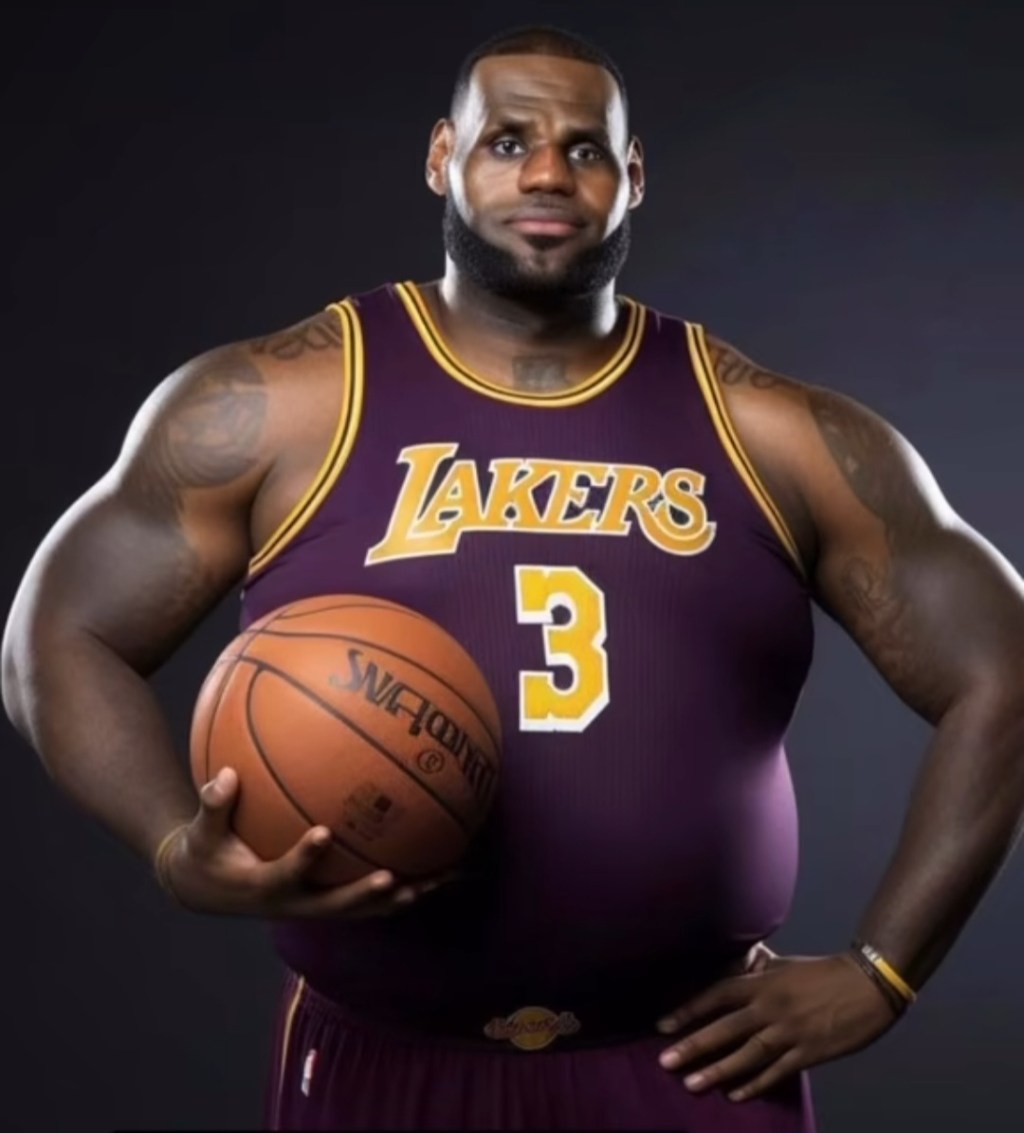
Throughout the discussion, there was a recurring theme of how media narratives shape public perception of athletes and teams. Despite significant changes across the league, LeBron James continues to dominate headlines, raising questions about how the NBA promotes its stars and whether the league is prepared for the post-LeBron era. As basketball continues to globalize, finding the right balance between promoting international talent and maintaining domestic star power remains a critical challenge for the league’s future.
WATCH MORE PODCAST EPISODES HERE: https://www.youtube.com/playlist?list=PLBmAJknu27s_KnQ7cbUD7PGCwc6Q09xwW
 YOU WOOD THINK?
Leave a comment