EP 29
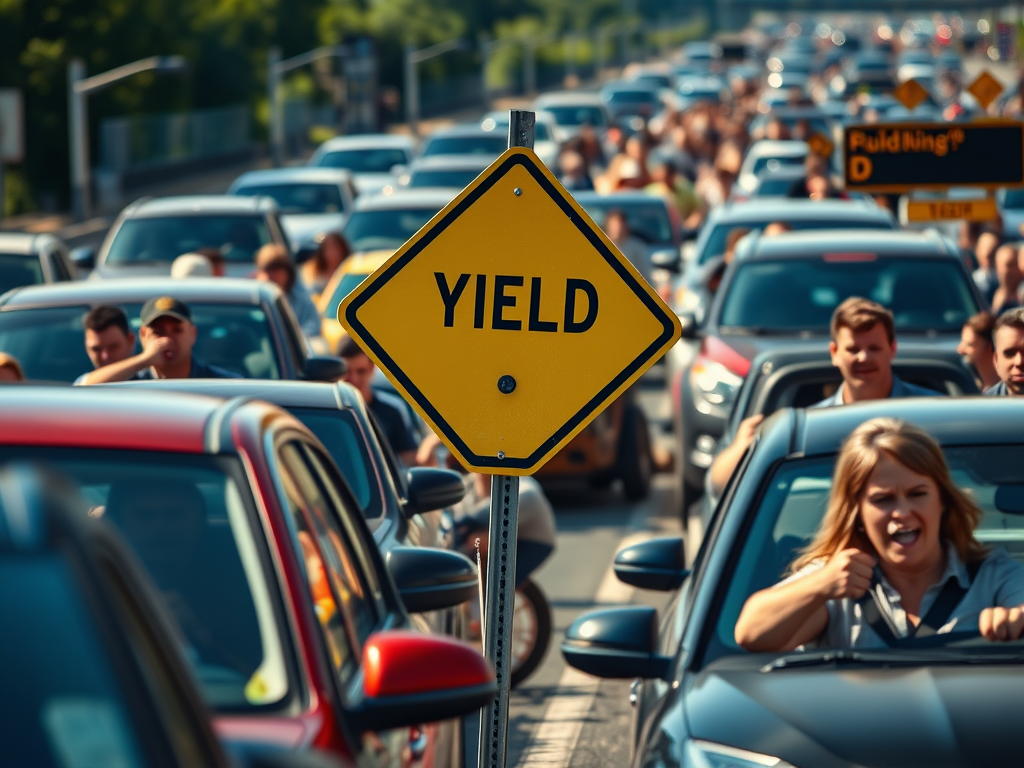
In our latest podcast episode, we dive deep into one of the most frustrating aspects of modern driving: the misunderstanding of basic traffic rules. The yield sign, that simple upside-down triangle with bold red borders, seems to be one of the most misinterpreted road signs today. As we discussed, yielding means exactly what it says – giving right of way to vehicles already on the road. Yet daily, drivers attempt to merge onto highways expecting others to slow down and accommodate them, creating dangerous situations and unnecessary road rage incidents.
This behavior highlights a broader issue in our driving culture. The sense of entitlement some drivers exhibit on the road is not just annoying – it’s potentially deadly. As one story shared during our conversation illustrated, putting on a blinker doesn’t automatically grant you access to a lane. It’s merely a signal of your intention, and other drivers have every right to maintain their position if allowing you to merge would create a hazardous situation. The highway isn’t a place for politeness at the expense of safety.
The conversation around driving etiquette extended to winter driving concerns as well. With colder months approaching, we expressed apprehension about drivers who maintain their aggressive habits despite icy or snowy conditions. The false confidence that comes with having good tires or all-wheel drive often leads to dangerous tailgating and risky maneuvers. As we noted, everyone has families they want to return home to, and taking an extra few minutes to plan ahead could prevent tragic accidents. This winter driving anxiety is shared by many, especially when witnessing how some drivers behave during even mild weather challenges.
Moving away from driving discussions, we covered various sports topics, particularly celebrating Canada’s women’s rugby team and their impressive performance in the Rugby World Cup. Despite not winning against England (who maintained an incredible 33-game winning streak), the Canadian team’s achievement was remarkable, especially considering they’re amateur athletes who had to crowdfund just to participate in the tournament. This speaks to a broader pattern we observed: Canadian women’s sports teams consistently outperform men’s teams on the international stage, with more female Canadian Olympians than male ones.
Basketball also featured prominently in our discussion, with updates on NBA players like Zion Williamson’s dramatic physical transformation, Kawhi Leonard’s potential disciplinary situation, and various injury concerns for veteran players. We reminisced about basketball training in our youth, noting how sports science and training methodologies have evolved dramatically. Today’s young athletes benefit from targeted exercises and advanced knowledge about physical development, resulting in teenagers with impressive physiques that would have been unusual in previous generations.
The episode also touched on local issues, such as Nova Scotia Power’s recent million-dollar fine for failing to meet service standards and the lifting of fire bans after a particularly dry summer. These local topics resonated with our discussion about community responsibility and accountability, themes that ran throughout the episode whether we were talking about driving behavior, corporate responsibility, or athletic commitment.
Throughout our wide-ranging conversation, one theme remained consistent: the importance of responsibility and awareness of how our actions affect others, whether we’re merging onto a highway, managing a power utility, or representing our country in international sports. Perhaps by focusing more on these values, we could all contribute to safer roads, better services, and stronger communities.
 YOU WOOD THINK?
Leave a comment